Connected mobility infrastructure
Infrastructurefor movement.
Knull connects mobility hardware, intelligent docks and operational software into one managed system for modern destinations. The Knull Trolley is where it begins.
- 01Endpoint
- Trolley
- 02Infrastructure
- Docks
- 03Operations
- Platform
01The friction
People move easily until what they carry stops them.
Visitors arrive at large destinations to shop, eat and spend time. As purchases accumulate, carrying them becomes the limiting factor — visits end earlier than they need to.
Destinations already run sophisticated systems for parking, security, payments, signage and building management. The movement of purchases and personal loads across the destination remains largely unmanaged. Knull addresses that infrastructure gap.
- Long walking distances between anchors
- Multiple bags carried by hand
- Early exits after two or three purchases
- No managed service layer for operators
02The system
One system.
Physical, digital, operational.
Connected trolleys, smart docks and the operating platform are designed together — and run as one managed infrastructure, not a device with an app.
Knull Trolley
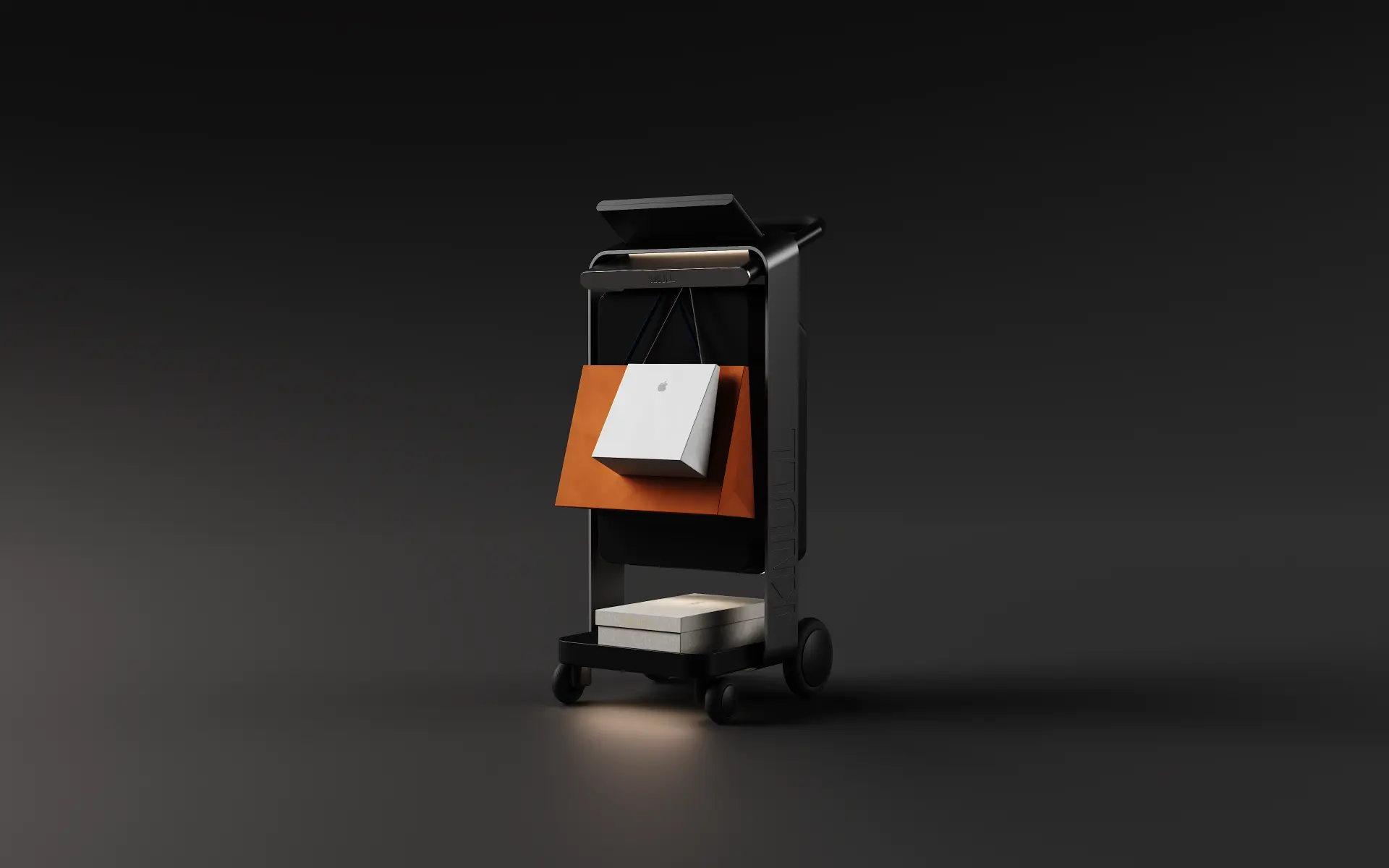
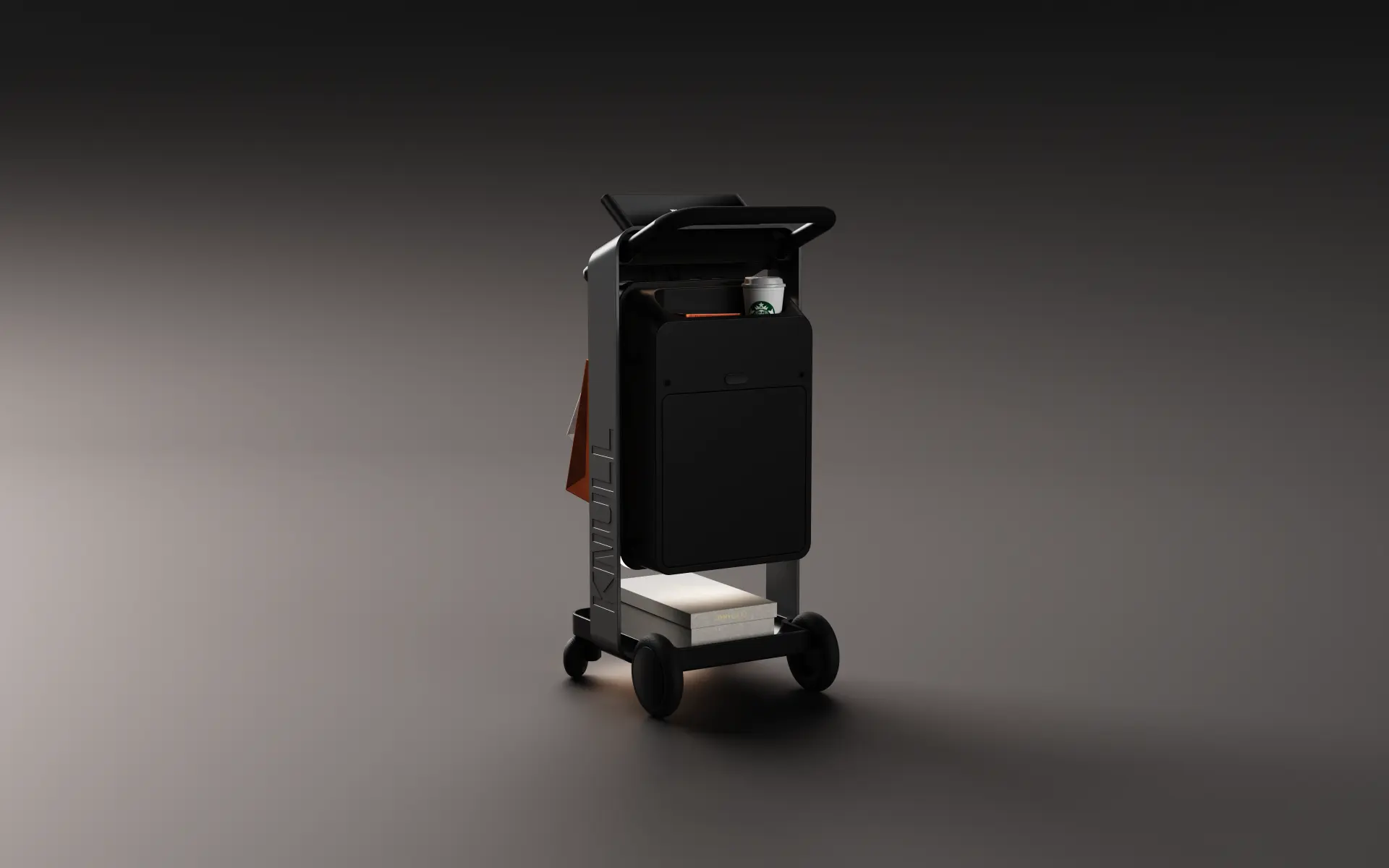
A premium connected trolley with an integrated interface, secure access and a carrying architecture designed for real purchases, not test loads.
Docking Network
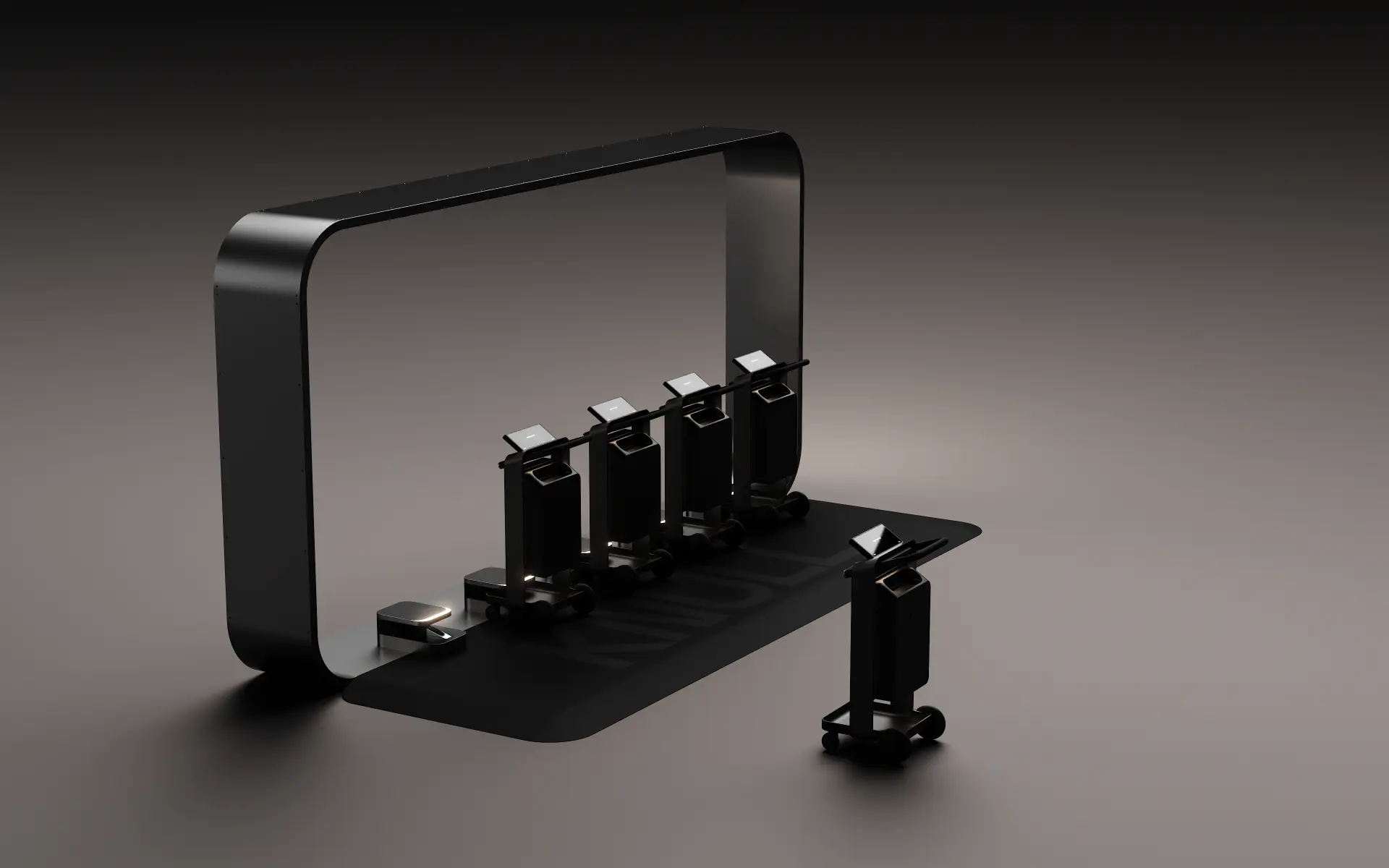
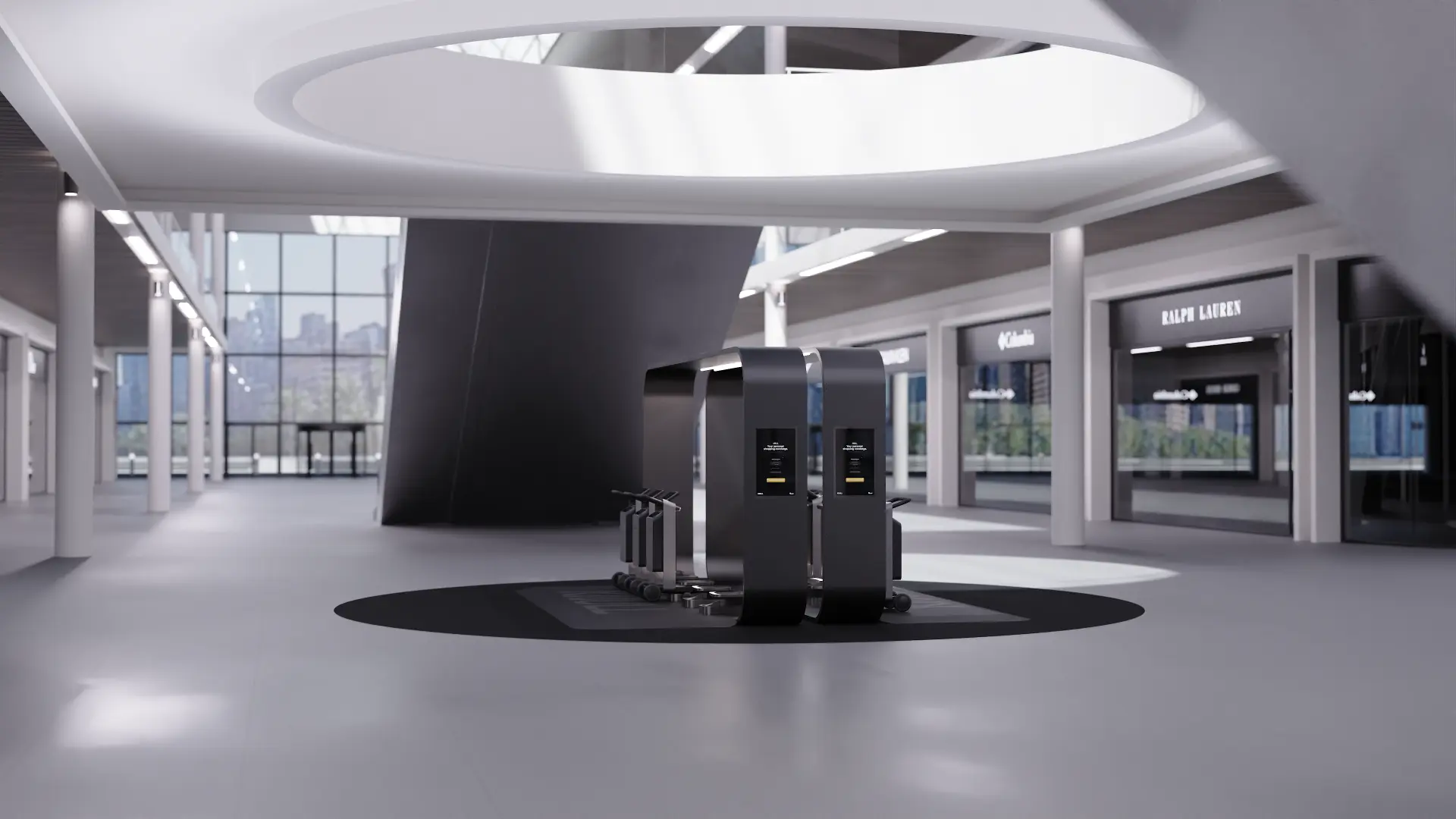
The physical anchor of the network. Docks retain and release units and report occupancy and availability to the platform — with charging where the final engineered configuration requires it.
Digital Platform
One operator environment for fleet status, dock capacity, sessions, alerts and utilisation across every location you run.
The Knull Infrastructure Stack
Seven layers, from the visitor to the systems a destination already runs.
Explore the full system- 01ExperienceVisitor · shopper · staff
- 02MobilityKnull Trolley — the first connected endpoint
- 03InfrastructureDocks · charging · access · edge
- 04NetworkDestination-wide connected infrastructure
- 05OperatingKnull Platform · fleet operations
- 06IntelligenceTelemetry · analytics
- 07IntegrationDestination systems · APIs · enterprise systems
03How it works
Four steps, start to finish.
The shopper journey is deliberately short. Nothing to install before arrival, nothing to negotiate at the dock.
A unit is only ever released to an identified session. That single decision is what turns a trolley fleet into managed infrastructure — availability stays predictable and units stay where they belong.
See the full journey04The product
Built to move. Designed to serve.
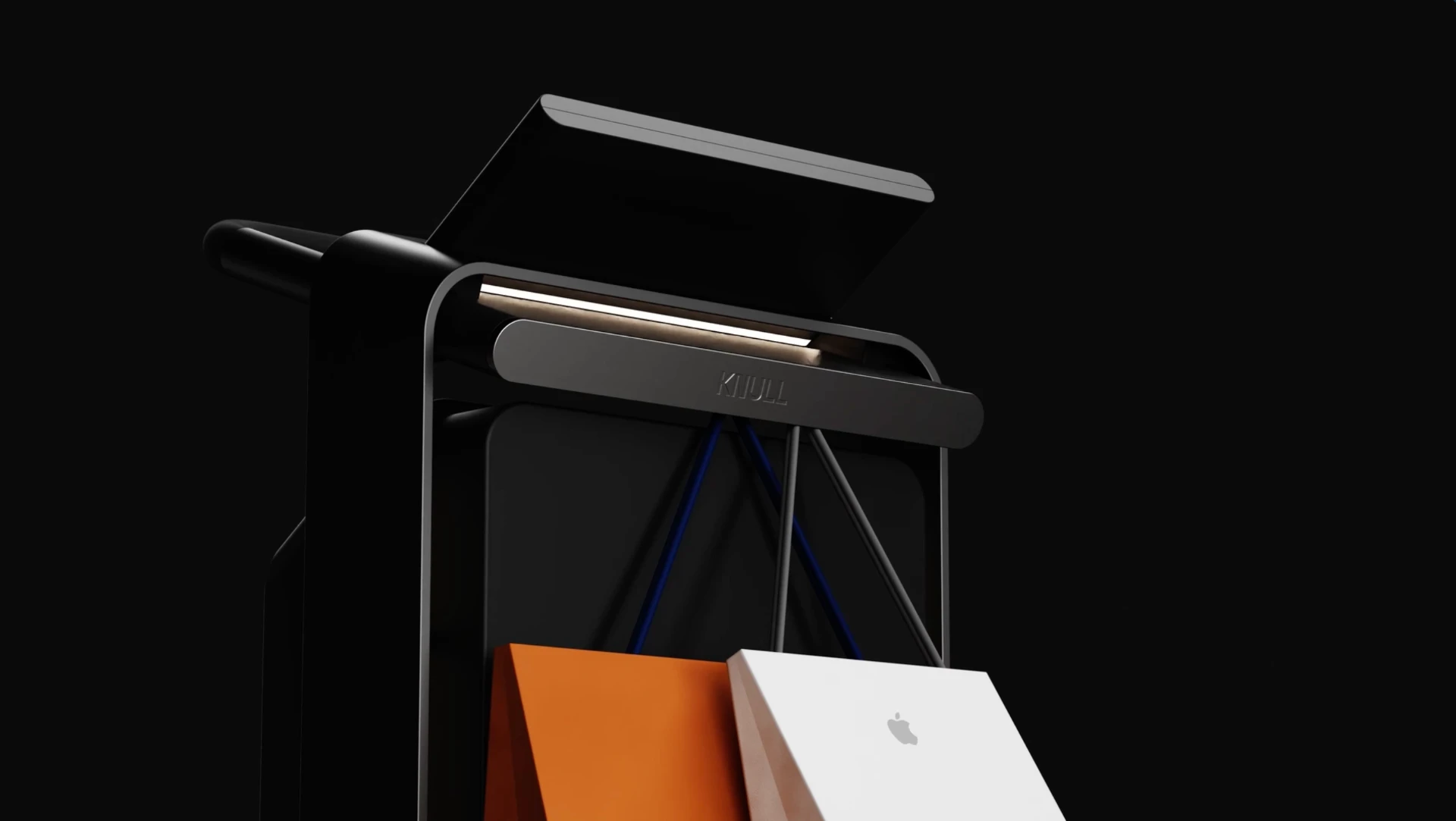
A premium industrial object first: quiet materials, precise geometry and a carrying architecture that behaves correctly when it is genuinely full.
Explore the trolley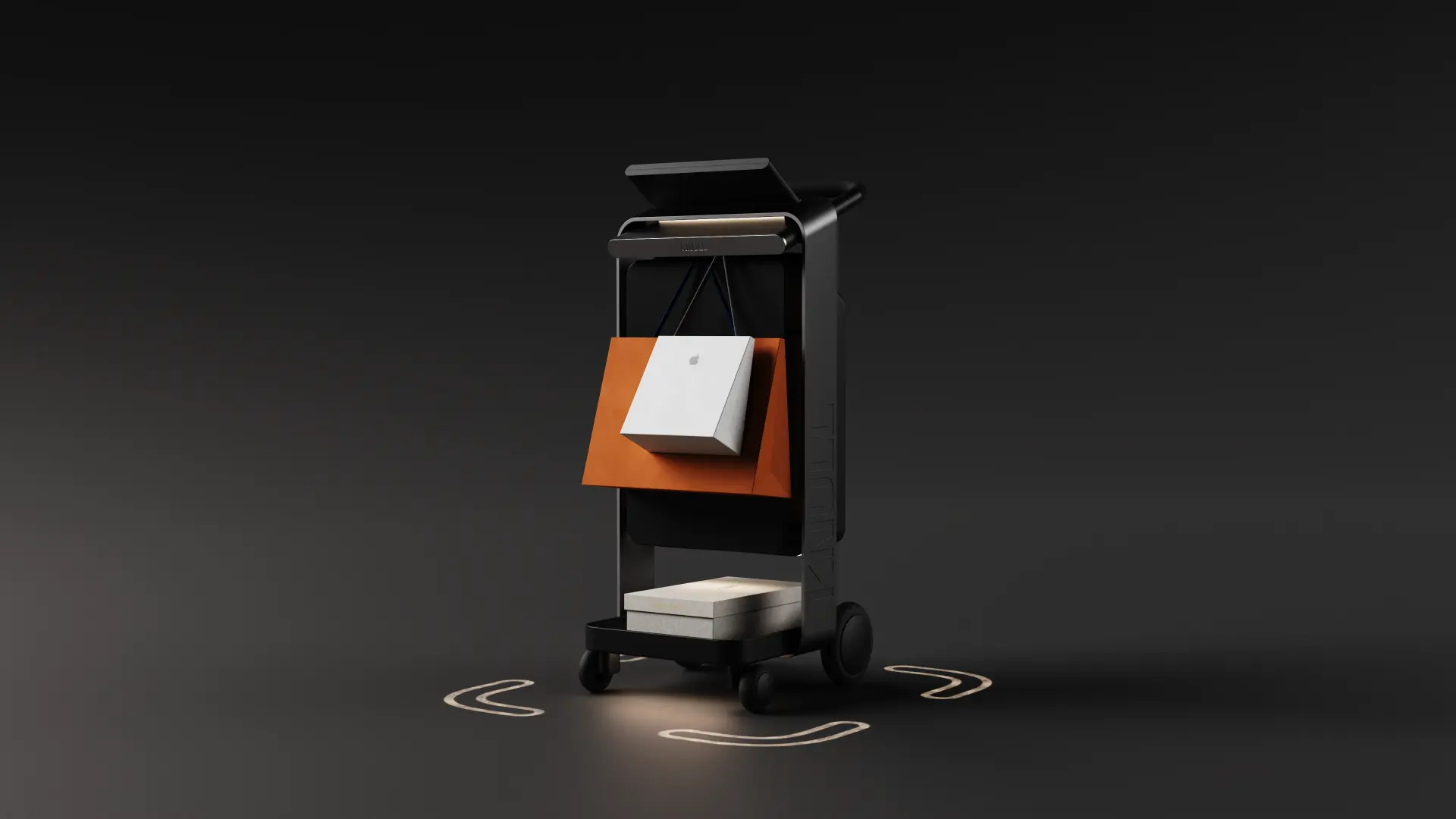
Integrated interface
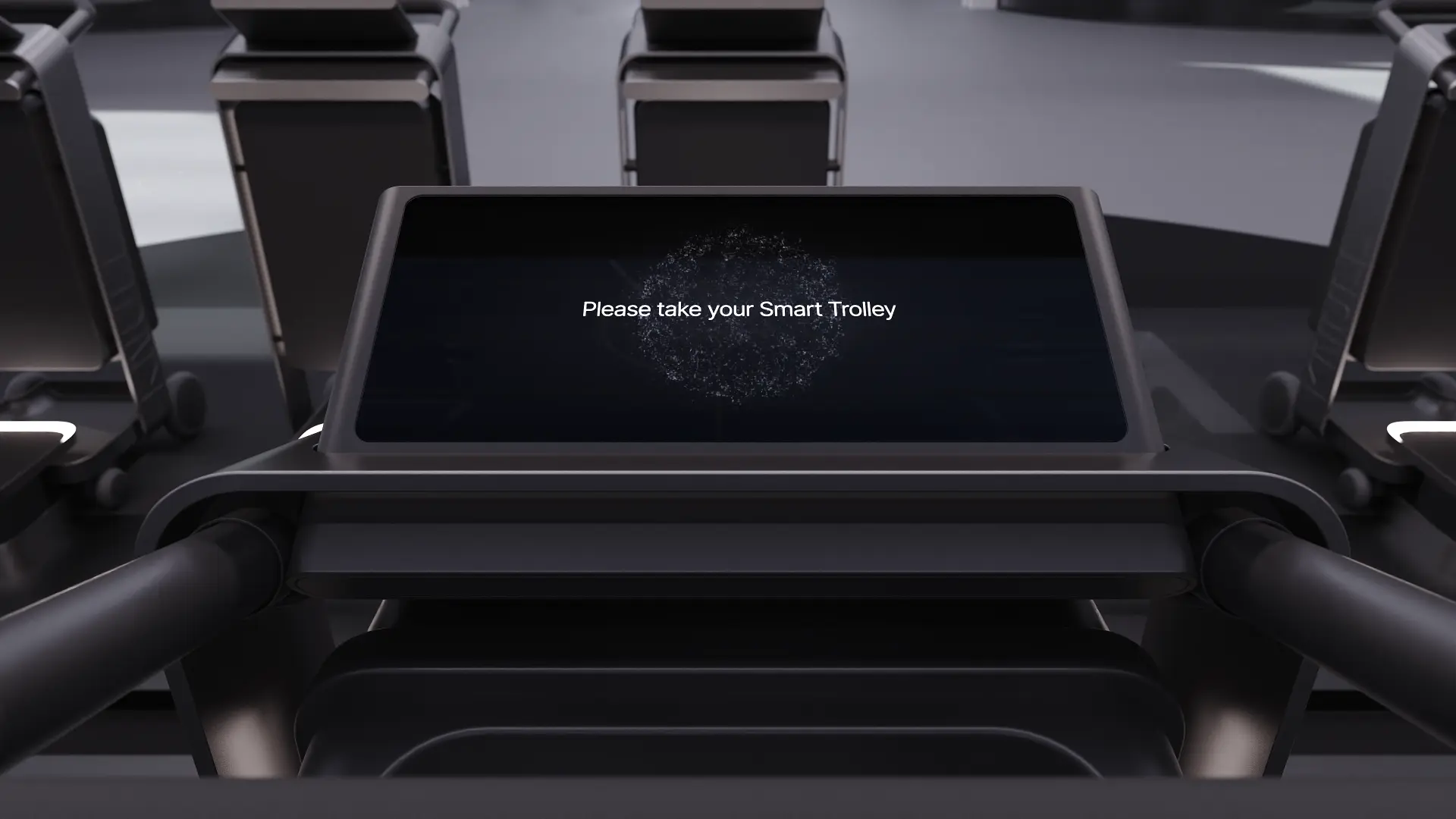
A daylight-legible display for session state, wayfinding and support — mounted at natural eye line.
Carrying architecture
Hanging bag rails, a lower deck for boxes and a secure top bin for personal items and drinks.
Ergonomic handle
A continuous grip bar with an integrated light strip, sized for long dwell times and one-handed steering.
Secure access
Sessions are tied to a verified user, so the fleet stays accountable without staff supervision.
Dock compatibility
Every unit is dock-native — charging, retention and release are part of the product, not an accessory.
Modular service
Serviceable modules mean a unit returns to the fleet quickly rather than leaving the floor for weeks.
06Operator platform
Know what your fleet is doing.
Availability, dock capacity, sessions and service state in one view — per level, per dock, per unit. Operations stop being a walk-around and become a screen.
Overview
Illustrative data only- Units in fleet
- 24Illustrative
- Active sessions
- 18Illustrative
- Dock occupancy
- 62%Illustrative
- Units charging
- 4Illustrative
Utilisation by hour
Shape shown for illustration
Recent activity
- K1-PRO-07In sessionLevel 1 · North
- K1-CARRY-03DockedDock N-01
- K1-PRO-02ChargingDock W-03
- K1-FLEET-01Service dueLevel 2 · East
05The network
One trolley is useful. A connected network is infrastructure.
A fleet is a service. Docks anchor it to the building. Across levels and entrances it becomes destination infrastructure — and across an estate, a network.
- 01
Connected unit
- 02
Managed fleet
- 03
Dock cluster
- 04
Destination network
- 05
Multi-destination
06Value
Visitor experience. Operational visibility.
For shoppers
- 01Less carrying across long visits
- 02Simple access with a scan or a tap
- 03Somewhere secure for drinks and personal items
- 04Clear return points across the destination
- 05A more comfortable reason to stay longer
For operators
- 01A premium, visible service layer
- 02Live visibility of fleet and dock status
- 03Configurable deployment by footprint
- 04Operational insight into real usage
- 05A measurable lift in visitor experience
07Focus markets
Designed for the world's leading retail destinations.
Knull is being developed for the United Kingdom and the United Arab Emirates first — two markets with the destination scale, service expectations and operator sophistication the platform is built around.
United Kingdom
United Arab Emirates
08Deployment
Assess. Pilot. Validate. Expand.
Every deployment begins with an assessed pilot. What it proves determines how managed infrastructure extends across the destination — and the estate.
- 01
Assess
Footprint, footfall and journeys reviewed to design a candidate network.
- 02
Pilot
A defined fleet and dock clusters in the zones that matter most.
- 03
Validate
Utilisation, availability and visitor response measured against agreed objectives.
- 04
Managed infrastructure
The network extended and operated as a managed service.
- 05
Estate rollout
The same standard repeated across destinations.
Vision
From one connected fleet to a mobility network for the world's great destinations.
Read the vision