Solutions · Retail Destinations
Distance shouldn't
end the visit.
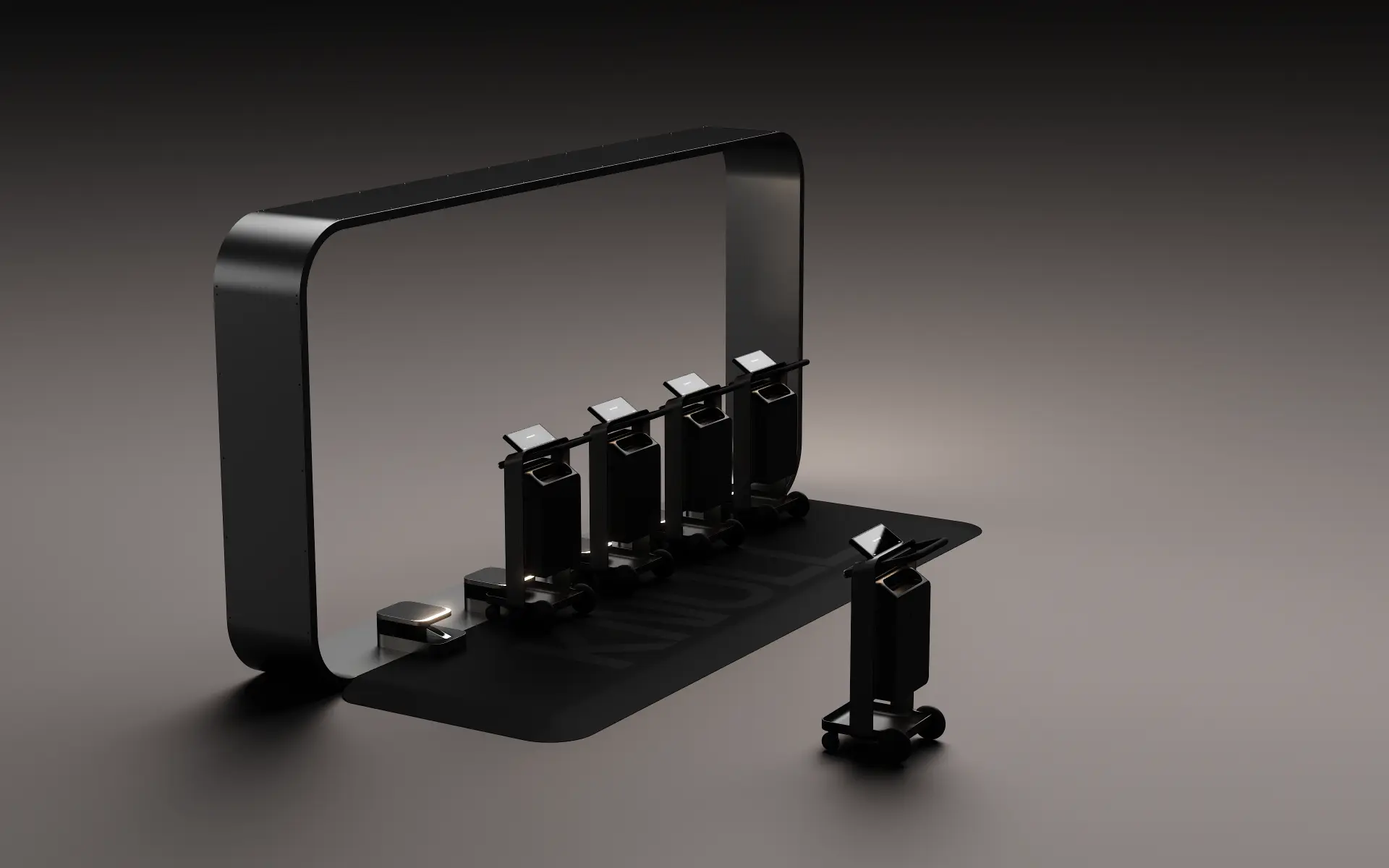
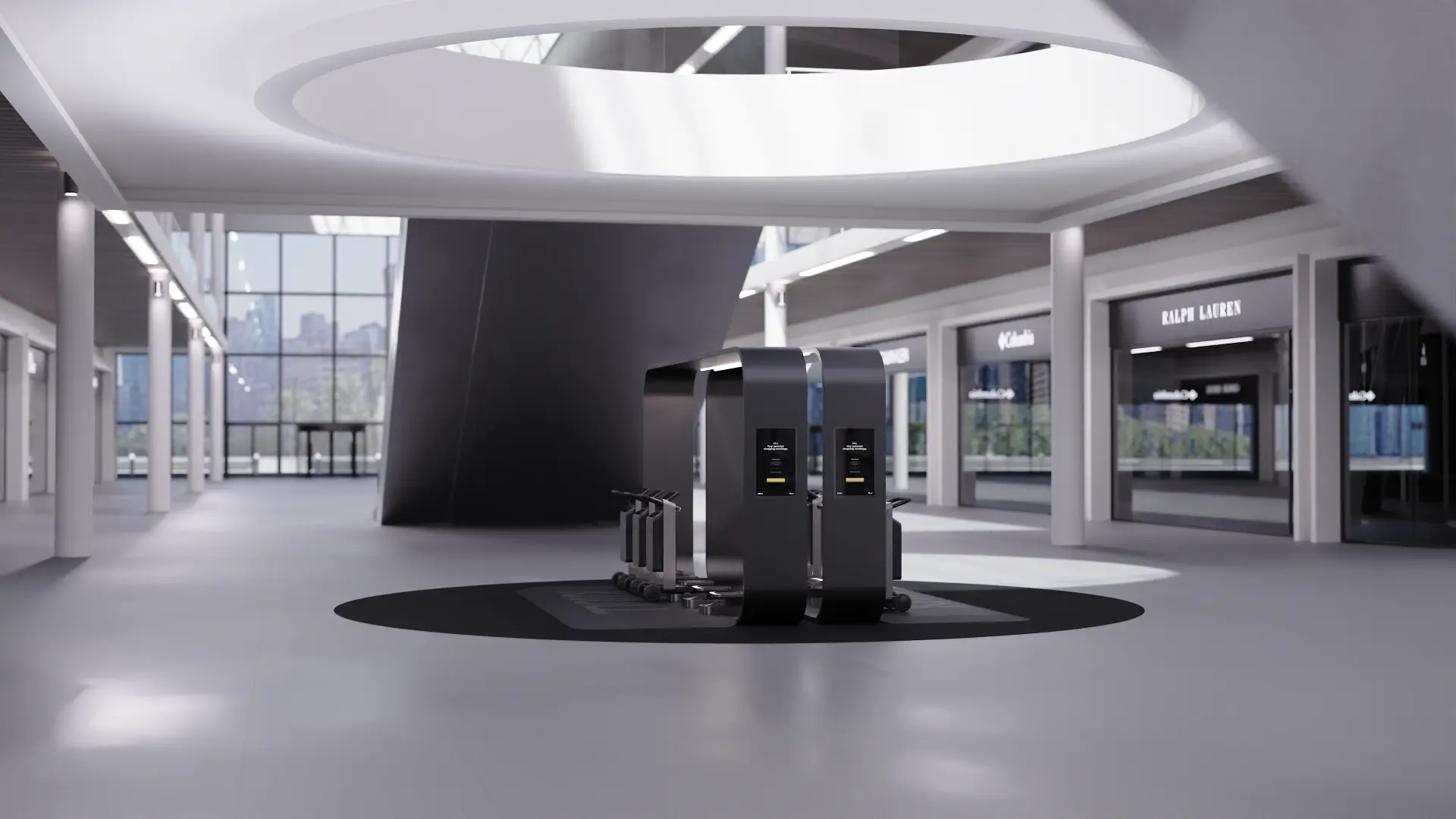
In villages, districts and large-format retail the friction is the walk. Knull deploys a distributed dock network so a visitor can keep moving through the whole destination while carrying.
- Environment
- Distributed
- Focus
- Dock network
- Measure
- Reach per visit
01The pressure
Distance is the tax.
Large destinations are designed to be walked. Carrying makes that design work against the operator.
- 01
Distance between stores
Open-air villages and districts spread purchases across long walks that punish anyone already carrying.
- 02
Exposed routes
Weather, kerbs and surface changes make ordinary trolleys unusable outside a controlled mall floor.
- 03
Early exits
Visitors return to the car mid-visit and the rest of the destination never sees them.
- 04
Scattered assets
Without a dock network, units end up abandoned across a large site and stop being an asset at all.
02Plan, not section
The whole site is the catchment.
A destination is read in plan: anchors, clusters and car parks joined by long outdoor or covered walks. Docks are positioned on those desire lines so a unit is available at every point where a visitor would otherwise turn back.
03Our approach
Cover the site, not the entrance.
A single rank at the door is a car park solution. A destination needs a network of docks that follows how people actually move between anchors.
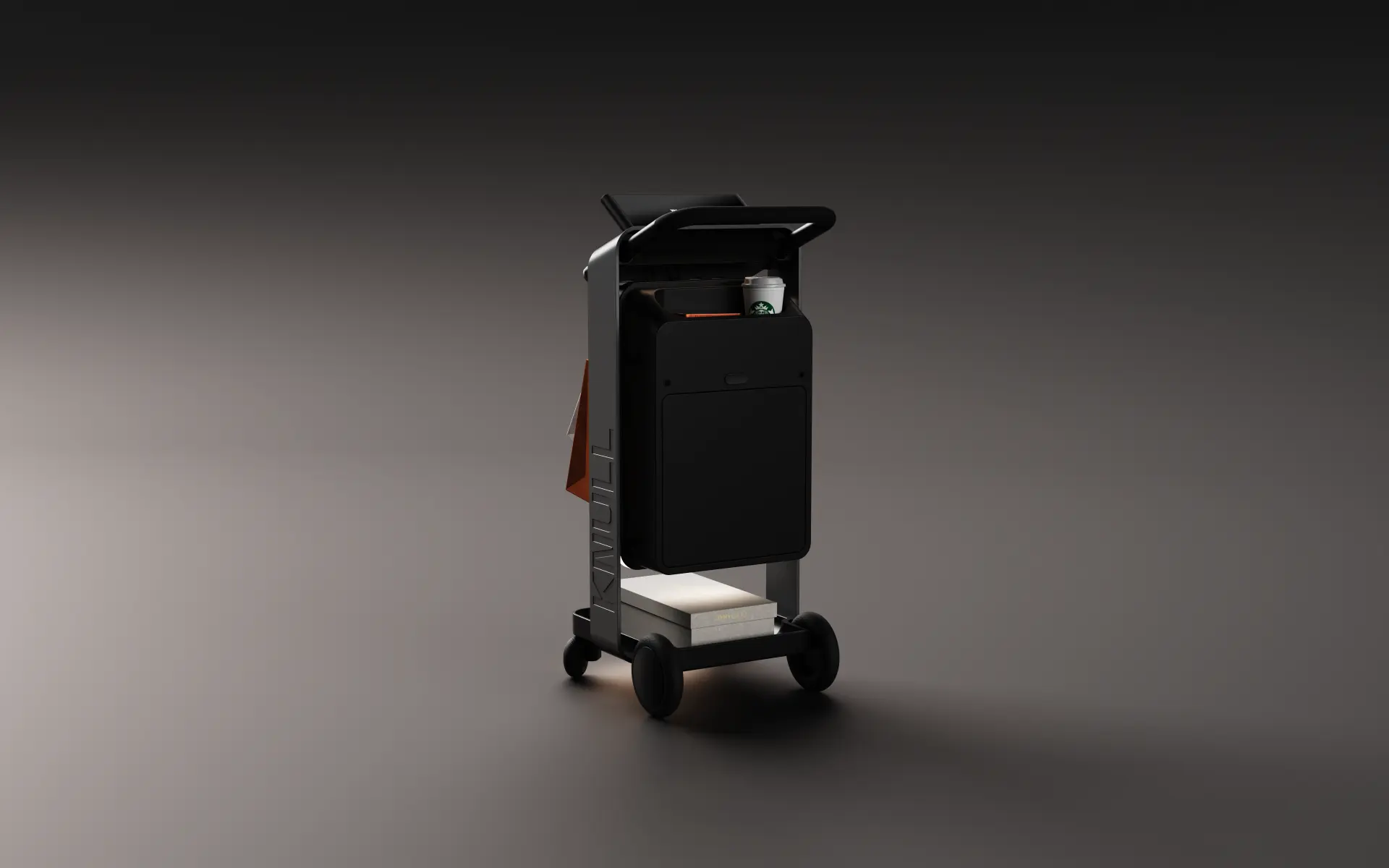
A dock network, not a rank
Docks are distributed across the site so a unit is always near the next decision point.
Route-aware placement
Placement follows walking desire lines between anchors, food and car parks.
Rebalancing by data
Occupancy data tells the team where to move units before shortages appear.
Cross-tenant movement
Understand which anchors feed which clusters, and where the walk is too long.
04Rollout
Prove one cluster, then extend.
A pilot zone gives a real availability and utilisation picture before the network reaches the full site.
- 01
Route mapping
Anchors, car parks and walking desire lines are surveyed.
- 02
Network design
Dock positions and fleet size are set against the routes.
- 03
Pilot zone
One cluster runs live with agreed availability targets.
- 04
Site-wide
The network extends across the destination with reporting.
05What changes
Outcomes we design for.
Targets are agreed with the operator up front and measured in the destination itself.
- 01
Wider visits
More of the site becomes reachable inside a single visit.
- 02
Less mid-visit attrition
Fewer trips back to the car in the middle of the day.
- 03
Site-wide evidence
Movement data across tenants rather than isolated door counts.
Retail Destinations
Design a dock network for your site.
Share your site plan and anchor mix and we will propose a network layout and pilot zone.